OP-ED: Read the CRL’s Framework – not their reassurances

Read the CRL’s Framework – not their reassurances
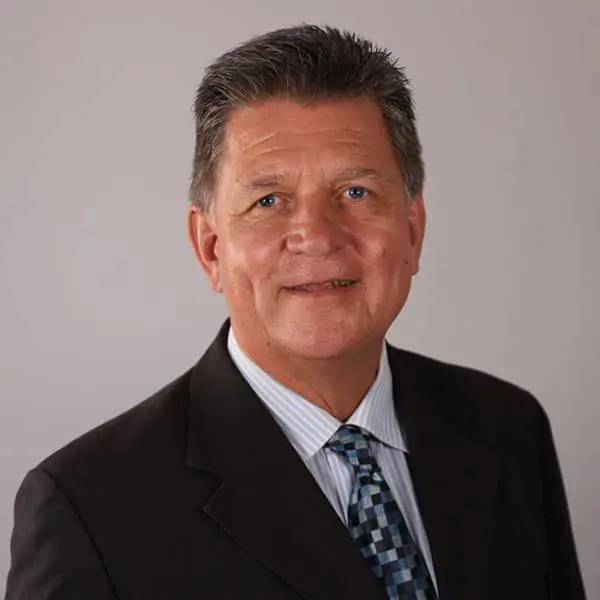
By Michael Swain, Executive Director, FOR SA
This month, the Chairperson of the Section 22 Ad Hoc Committee for the Christian Sector (the Committee), Rev Dr John Maloma, wrote to a number of church leaders in the Western Cape, inviting them to provincial consultations and offering a clear assurance. The process, it said, "is not about state control or regulation of religion", the framework is "voluntary", and it "proposes no state-imposed licensing or government oversight". The letter suggests that any concerns with this process have been caused by misinformation.
Not everyone was written to individually. Most would have had to find the Section 22 Committee’s website to register. Some who did so have since had no acknowledgement or confirmation of registration or the venue – less than a week before the Western Cape consultations are set to commence. Reassurance for some and silence for the rest is an uncomfortable start for a process that calls itself open. However, the deeper question is not who was invited. It is what they are being invited to accept.
The Committee was established by the Commission for the Promotion and Protection of the Rights of Cultural, Religious and Linguistic Communities (the CRL Rights Commission), and is consulting on aDraft Self-Regulatory Framework for the Christian Sector (the draft framework) that it intends to lay before Parliament. Its signed Terms of Reference are plain: to consult on "the development of the legislative framework" providing for a Religious Practice Council, the registration of religious institutions and practitioners, and a code of conduct and ethics. The draft framework then sets out the architecture: a Christian Practice Council for Ethics and Accountability, a public register of certified organisations, a Seal of Good Standing, and sanctions rising from a corrective plan to suspension of the seal and, ultimately, deregistration and public notification.
No one should doubt the problem the Committee wants to solve. There are congregations where the vulnerable have been exploited, money abused, and people harmed in the name of faith. Those wrongs are real and confronting them is a legitimate and important objective. FOR SA has never argued that churches should stand outside the law. The question is not whether the church should be accountable, but who should hold it accountable, for what, and how. This includes the important question of whether accountability should require the state's permission to be a religious practitioner, or for a church to exist and operate.
That is where the invitation and the documents governing the Section 22 process part company. Whether an arrangement is genuinely voluntary self-regulation, or state-enabled regulation under a gentler name, turns on four things:
Ownership: Who creates and controls the standard?
Exit: Can individuals and organisations can genuinely decline to participate?
Open outcome: Can the process conclude that no legislation council or registration is needed at all?
Consequences: Will non-participation or non-compliance carry any legal or public consequence?
A code of conduct which a sector writes and adopts for itself – and which anyone may leave without penalty – is voluntary. A framework developed towards legislation, administered through a council recognised by an Act of Parliament, requiring registration, conferring a public seal, and providing for sanctions for non-compliance, has all the characteristics of regulation, even if religious representatives administer it. A label does not decide legal character. Source, control and consequence do.
This matters because the rights in play are not minor. The Constitution protects freedom of religion, conscience and belief, the freedom to associate, and the right of religious communities to practise their faith and maintain their own institutions. Those freedoms are not absolute. Section 36 clarifies that they may be limited by a law of general application that is reasonable and justifiable. But it asks a hard question of any such limitation: could the purpose be achieved by less restrictive means?
That question is far from being answered because the harms the Committee cites are, almost without exception, already unlawful. Fraud, sexual abuse, the exploitation of vulnerable people, financial crime and tax evasion are crimes now, and can be prosecuted today. The CRL Rights Commission itself already holds statutory power to investigate, research, receive complaints, and refer matters to the authorities. Where existing law is not being enforced, the answer is enforcement, not a new register of approved religious practitioners and organisations. Those proposing the framework must identify the precise gap existing law cannot fill and then show that a new law to impose a system of registration and certification would more effectively prevent abuse than the proper implementation of existing laws.
The Committee Chairperson’s reassurances leave one question unresolved. The Committee is described as an independent, church-led process. Yet under the CRL Act, the Commission establishes the Committee, determines its functions, appoints its chairperson, may remove its members, and may dissolve it. The Act adds that a delegation of this kind does not divest the Commission of responsibility, and that the Commission may vary or revoke Committee decisions. The people around the table may be church leaders, but the process they serve remains an instrument of a State institution. Independence of spirit is not independence in law.
The deeper concern is what a code of ethics regulates once it shifts focus beyond conduct that is already criminal. Christians do not agree among themselves about ordination, authority, discipline, marriage, healing or sound doctrine. A national code that goes beyond existing law would require someone to choose between those contested positions and attach public consequences to the choice. The state may punish wrongdoing. It should not be deciding which understanding of ministry is orthodox, or who counts as a religious leader in good standing. This is why doctrine and ethics cannot be cleanly separated. It is also why it is better for the law to regulate harmful and unlawful conduct through general laws that apply equally to all citizens.
Even the proposed "Seal of Good Standing" carries risk. Where banks, landlords, donors or municipalities begin to treat the Seal as the mark of a legitimate church, the absence of one becomes a penalty, and a scheme that is voluntary on paper becomes coercive in practice. A single constitutional freedom, held equally by every faith, is not improved by sorting believers into approved and unapproved categories.
Better paths to the same goal already exist. The law we have can be enforced properly. Child protection duties, financial controls and mandatory reporting can be strengthened. The voluntary networks and codes of conduct already produced by the sector itself can be resourced and freely adopted or adapted. None of these requires the state to license the practice of faith or the existence of churches.
The consultations now under way offer a real opportunity to speak up for religious freedom, and people should use them. That said, attendance is not agreement, and consultation is not consent. Those who take part are entitled to place their questions and objections on the record, and to ask the Committee to say plainly whether a genuinely open process could still conclude that no legislation, no council and no registration are needed at all.
The church should and can hold itself accountable without the state's permission to practice or exist. It has never needed a seal to be faithful. Everything this framework says it wants – integrity, transparency, and the protection of the vulnerable – the sector can and should already pursue now, under the existing laws that already bind every South African equally.
What it cannot be asked to do is trade a constitutional freedom for a certificate of good standing. Voluntary means one thing above all: that a church can say “no” to the council, registration, and certification – and lose nothing. Until that can be said plainly, the answer to this proposed framework should be a respectful but firm "No!"